Quick Facts
- Where: Niseko United, Hokkaido, Japan (Hirafu, Hanazono, Niseko Village and Annupuri on one mountain)
- When I went: March, just after peak season, and the powder was still good
- Highlight: The bootpack to the Annupuri summit, about 20 to 30 minutes from the top of King Lift #4
- Side country: Only through the official gates, and only when they are open
- Required in the side country: Helmet and avalanche beacon (probe and shovel strongly recommended)
- Getting there: About 2.5 to 3 hours by bus from New Chitose Airport
If you’ve ever looked at ski photos from Japan and wondered if the powder is really that deep, I’m here to tell you: it is. I skied and snowboarded Niseko in March, just outside of peak season, and the powder was still really good. Between the bootpack to the top, the side country gates and the food, Niseko lived up to every bit of the hype.
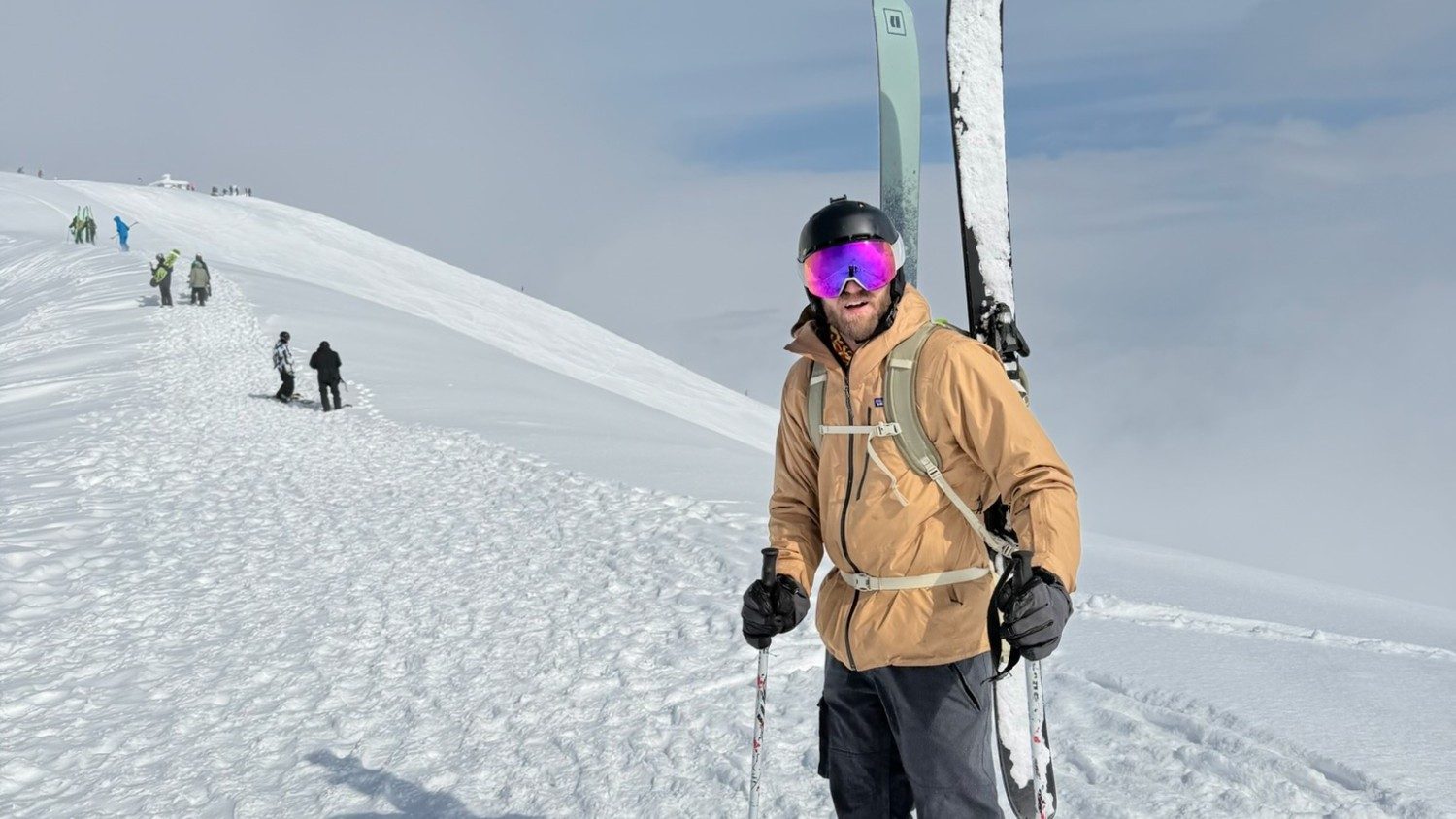
Here’s everything I learned: when to go, how the bootpack and side country gates work, the avalanche gear you need, where I stayed and what to eat.
Some links in this guide are affiliate links. If you buy through them, I may earn a small commission at no extra cost to you. As an Amazon Associate I earn from qualifying purchases.
Why Niseko
Niseko sits on the island of Hokkaido in northern Japan, and it’s famous for light, dry, deep snow (you’ll hear people call it "Japow"). Cold storms blow in from Siberia and dump snow all winter long, and the trees and open bowls hold it beautifully.
Niseko United is four resorts on one mountain: Grand Hirafu, Hanazono, Niseko Village and Annupuri. One All Mountain Pass covers all four, and you can ski between them from the top. Hirafu is the main village, with most of the lodging, restaurants and bars.
When to Go: Is March Worth It?
Peak season runs from late December through February, when the snow is deepest and the town is busiest. I went in March, just after peak season, and I’d do it again.
- The powder was still good. Niseko’s own blog says the resort gets around 1.5 meters of snow in March alone, so a powder day is still very likely.
- Fewer crowds and lower prices. Lift passes drop to spring rates, and lift lines are shorter.
- The trade-off: As March goes on, temperatures rise and the snow can get heavier and more variable, especially lower on the mountain. Spring powder isn’t guaranteed, so watch the forecast.
For the 2026–27 season, Niseko United lists operations from November 28, 2026 to April 11, 2027, with night skiing at Hirafu and Annupuri from December 12, 2026 to March 22, 2027.
The Bootpack to the Top of Annupuri
This was one of my favorite parts of the trip. The lifts stop short of the summit of Niseko Annupuri (1,308 m), but you can hike the rest of the way. From the top of King Lift #4 at Hirafu, go through Gate 3 and follow the bootpack up the ridge. Most guides put it at about 20 to 30 minutes.
It’s fun and honestly not too much work. The start is the steepest part, and then it levels off near the top. Your reward is the summit of the whole resort, with views of Mt. Yotei on a clear day and big open lines in every direction.
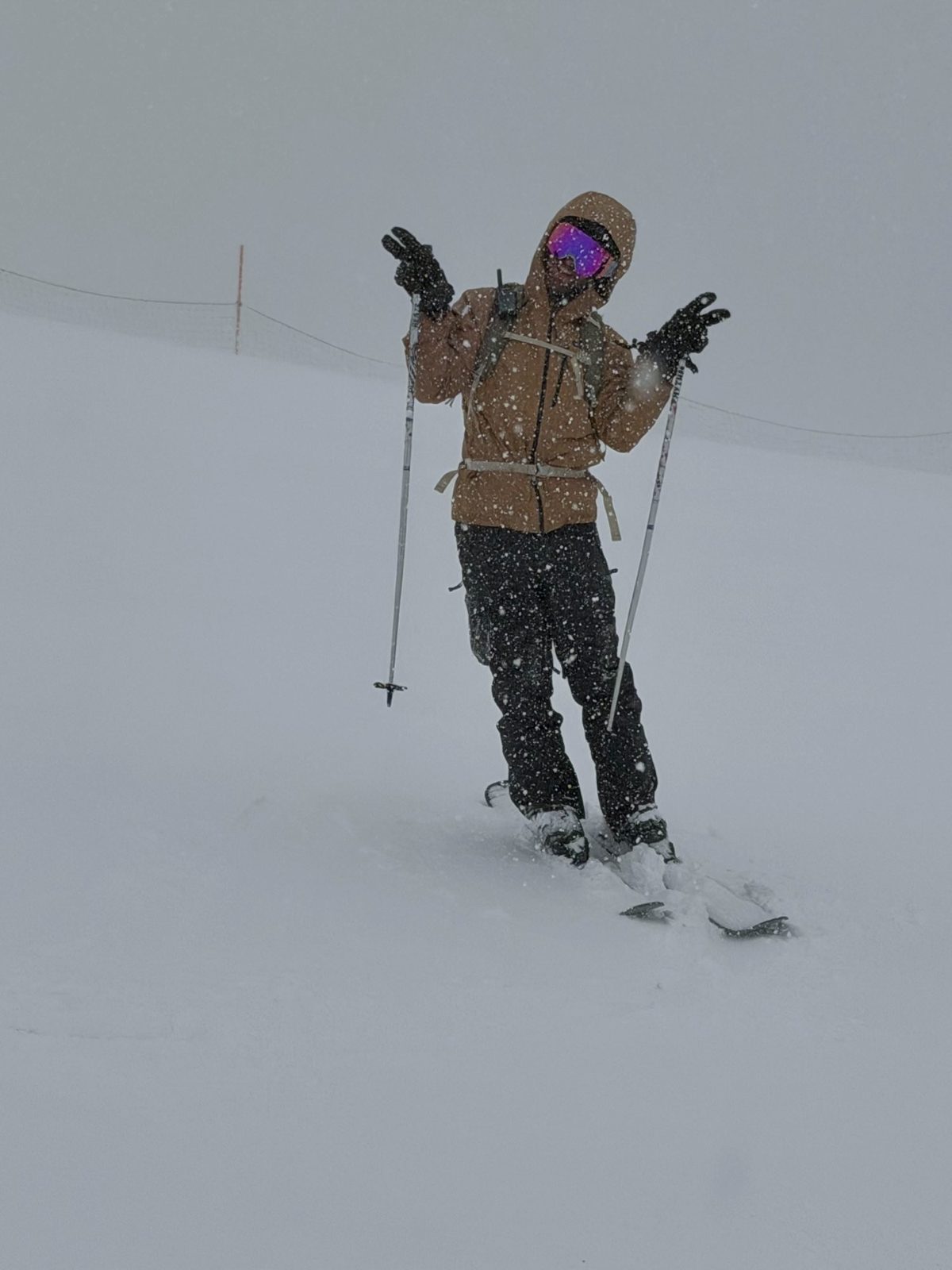
A few tips:
- Carry your skis or board on your pack if you can, so your hands are free. Ski straps make it easier.
- Go early on powder mornings. The gate and bootpack get busy fast.
- Check that the gate is open first. The summit is reached through the gate system, so it follows the same rules as the side country (below).
Side Country: The Best Skiing in Niseko
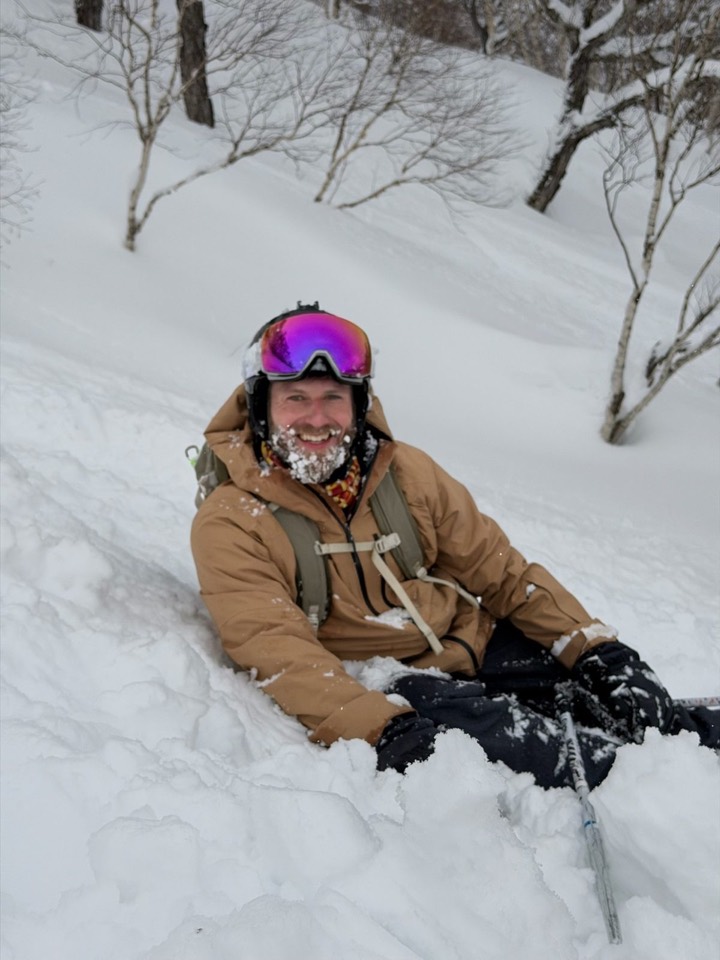
The side country in Niseko is really great skiing and snowboarding. I did one day on skis and one day on my snowboard, and both were incredible. Deep, light snow through birch trees is everything people say it is.
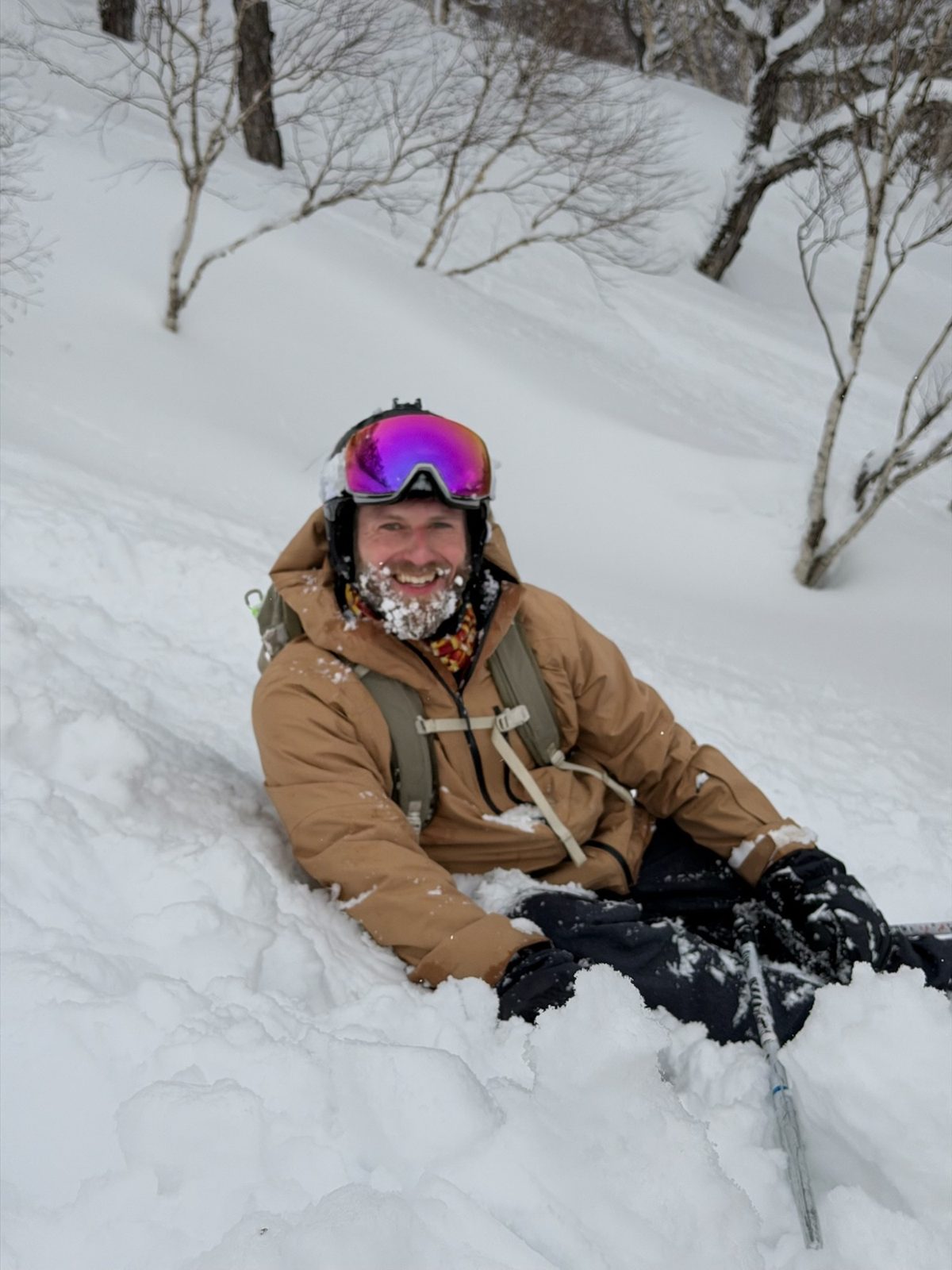
Niseko handles off-piste skiing with a gate system. The terrain outside the ski area boundary is reached only through official gates, and the rules (the "Niseko Rules") are enforced. Here’s what you need to know:
- Only use the gates. Never duck a rope or enter a closed area. Patrol can confiscate your lift pass.
- Gates open and close with conditions. When avalanche danger rises or visibility drops, gates close, and going through a closed gate is prohibited.
- Helmet and avalanche beacon are required for anyone going into the backcountry areas. Niseko’s official rules also strongly recommend a probe and a shovel. I’d never go without all three, and you should know how to use them.
- Check the Niseko Avalanche Information every morning before you head out. It’s the area’s official daily avalanche report.
- Rescue isn’t free. Niseko’s rules say search and rescue in backcountry areas is charged to the person rescued, with a minimum of ¥100,000.
- Don’t go alone. Ski with a partner, keep each other in sight, and consider hiring a local guide for your first day so you learn where the terrain funnels into creeks and cliffs.
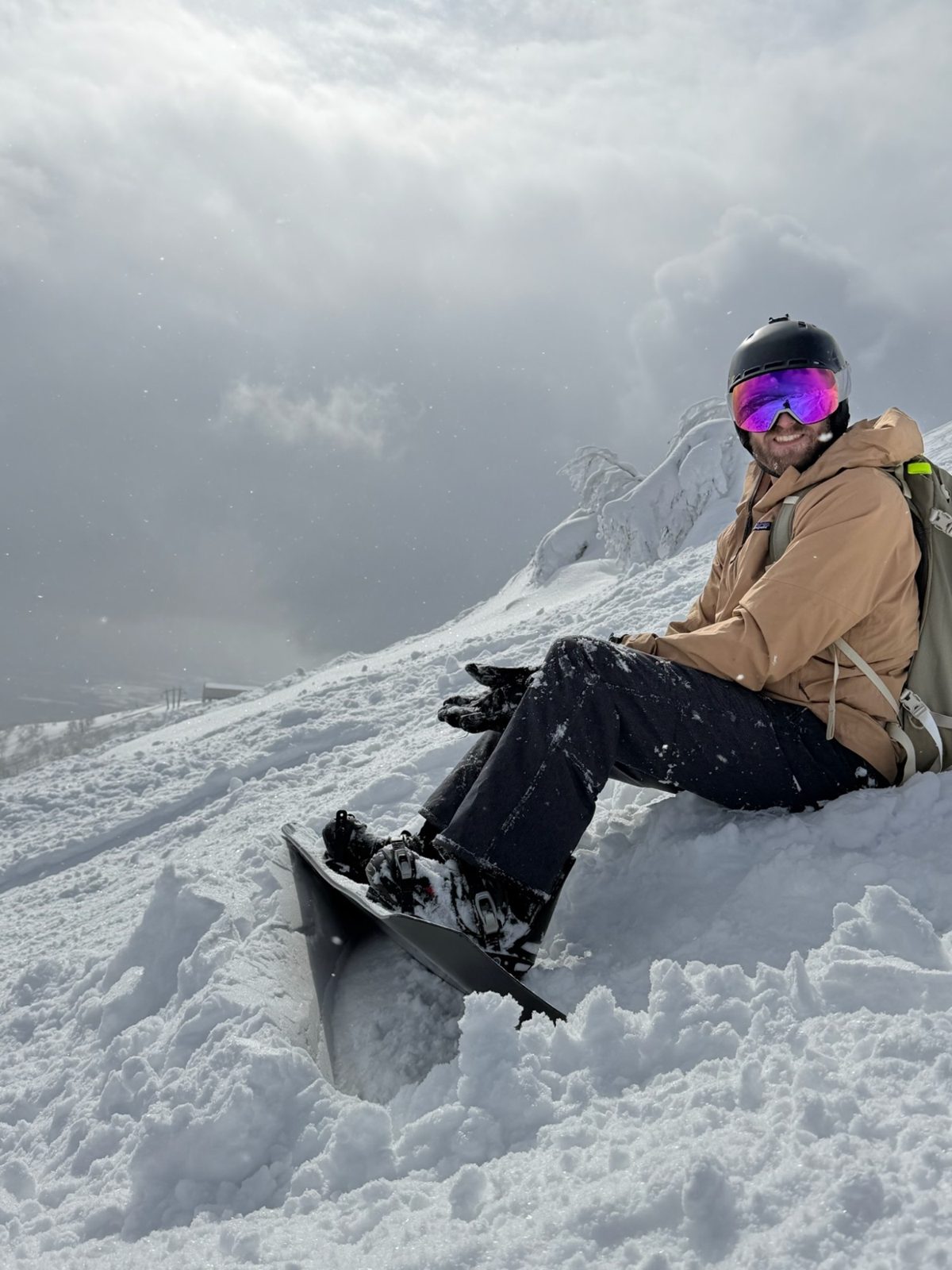
⚠️ Avalanche Gear
You need avalanche gear to ski the side country, and gear only helps if you know how to use it. Take an avalanche course before your trip, practice with your beacon, and carry your gear every time you go through a gate.
What to Pack
Hokkaido is cold and snowy, and the side country rules mean you’ll need more than your usual resort kit.
- Avalanche beacon: Required in the side country. A modern three-antenna beacon like the Black Diamond Recon BT or Mammut Barryvox.
- Probe and shovel: Strongly recommended, and I wouldn’t go without them. A beacon, probe and shovel kit covers everything.
- Helmet: Required in the backcountry areas. Get a ski helmet that fits well with your goggles.
- Goggles with a low-light lens: Storm days are flat and gray. Goggles with interchangeable lenses make a big difference.
- Backpack that carries skis or a board: For the bootpack and to carry your avalanche gear. An avalanche or ski touring pack is ideal.
- Ski straps: For carrying skis on the bootpack. A pack of Voile straps weighs almost nothing.
- Warm gloves and a neck gaiter: Powder days in Hokkaido are cold and wet.
For more ideas, check out my Skier’s Gift Guide and Snowboarder’s Gift Guide.
Lift Passes
One Niseko United All Mountain Pass covers all four resorts. For the 2026–27 season, Niseko United lists the peak-season adult 1-day pass (December 24 to February 28) at ¥13,500, with lower rates early in the season and in spring. Prices change every season, so check the official Niseko United lift page before you go.
Food: Don’t Skip Lunch on the Mountain
The resort food in Niseko is great. Instead of the usual burgers and fries, you get hot Japanese comfort food: big bowls of beef over rice or noodles, miso soup, edamame, pickles and little cups of sake.
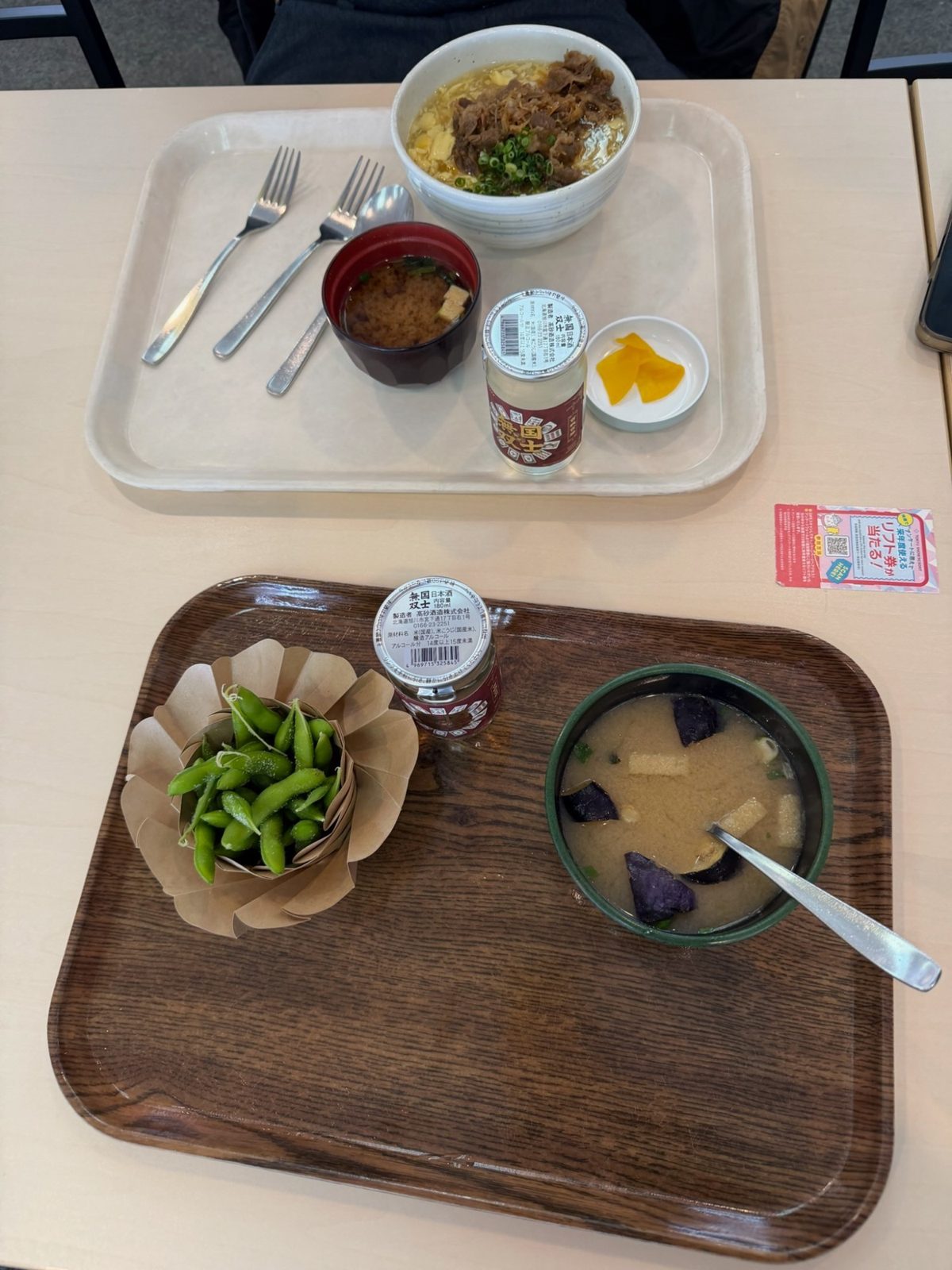
Hirafu village also has plenty of restaurants and bars for après and dinner, so you won’t go hungry after the lifts close.
Where I Stayed: Niseko Central
I stayed at Niseko Central in Hirafu, and it was awesome. Niseko Central is a group of apartment and condo buildings around Hirafu rather than a single hotel, and the location made it easy to walk to the lifts, restaurants and bars. When you book, you pick a room type and they assign the building based on availability, so check which buildings are closest to the lifts if that matters to you.
A Very Australian Town
One thing that surprised me: there weren’t many Japanese people in town. It felt a little weird at first. Hirafu was full of Australians. English is spoken almost everywhere, which makes the trip easy, but if you’re hoping for a deeply Japanese experience, plan some time in a more local town or in Sapporo before or after your ski days.
Getting There
Fly into New Chitose Airport (CTS) outside Sapporo. From there, it’s about 2.5 to 3 hours to Niseko by bus or shuttle, depending on the service and stops. Seasonal ski buses run from the airport to Hirafu, and private transfers are also available. Schedules change every winter, so book ahead.
Tips for Your First Trip
- Go in January or February for the deepest snow, or March for fewer crowds and lower prices with a good chance of powder.
- Bring avalanche gear and know how to use it if you want to ski the side country. A helmet and beacon are required.
- Check the gates and the Niseko Avalanche Information every morning.
- Do the Annupuri bootpack on a clear day for the views.
- Eat lunch at the lodges. Seriously.
Frequently Asked Questions
Is Niseko good in March?
Yes. I went in March, just after peak season, and the powder was still good. Niseko’s blog says the resort gets around 1.5 meters of snow in March, though the snow can get heavier and more variable as the month warms up.
How long is the bootpack to the top of Niseko Annupuri?
Most guides put it at about 20 to 30 minutes from the top of King Lift #4 through Gate 3. It’s steepest at the start and then levels off near the summit.
Do you need avalanche gear for the Niseko side country?
Yes. Niseko’s official rules require a helmet and an avalanche beacon in the backcountry areas and strongly recommend a probe and shovel. Only enter through open gates, and check the Niseko Avalanche Information first.
How do you get to Niseko from the airport?
Fly into New Chitose Airport outside Sapporo. Buses and shuttles take about 2.5 to 3 hours to Niseko, depending on the service.
Is Niseko good for snowboarding?
Absolutely. I spent one side country day on skis and one on my snowboard, and the deep, light snow in the trees was amazing on both.
See You Out There
Niseko was an awesome trip. Deep snow, a fun bootpack, incredible side country and great food. If you go, bring your avalanche gear, respect the gates and say hi to the Aussies for me. Questions about planning a trip? Get in touch.