Quick Facts
- Best first 14ers for dogs: Quandary, Mount Democrat, Mount Sherman, Grays and Torreys, Mount Bierstadt
- Not allowed: Dogs are not permitted on trails in Rocky Mountain National Park, including Longs Peak
- Avoid: Class 3 and harder routes such as Kelso Ridge and the Sawtooth
- Biggest risks: Sharp talus on paws, dehydration, heat on the approach, storms above treeline, mountain goats
- Must-have gear: Leash, plenty of water and a bowl, paw protection, waste bags, a warm layer for short-coated dogs
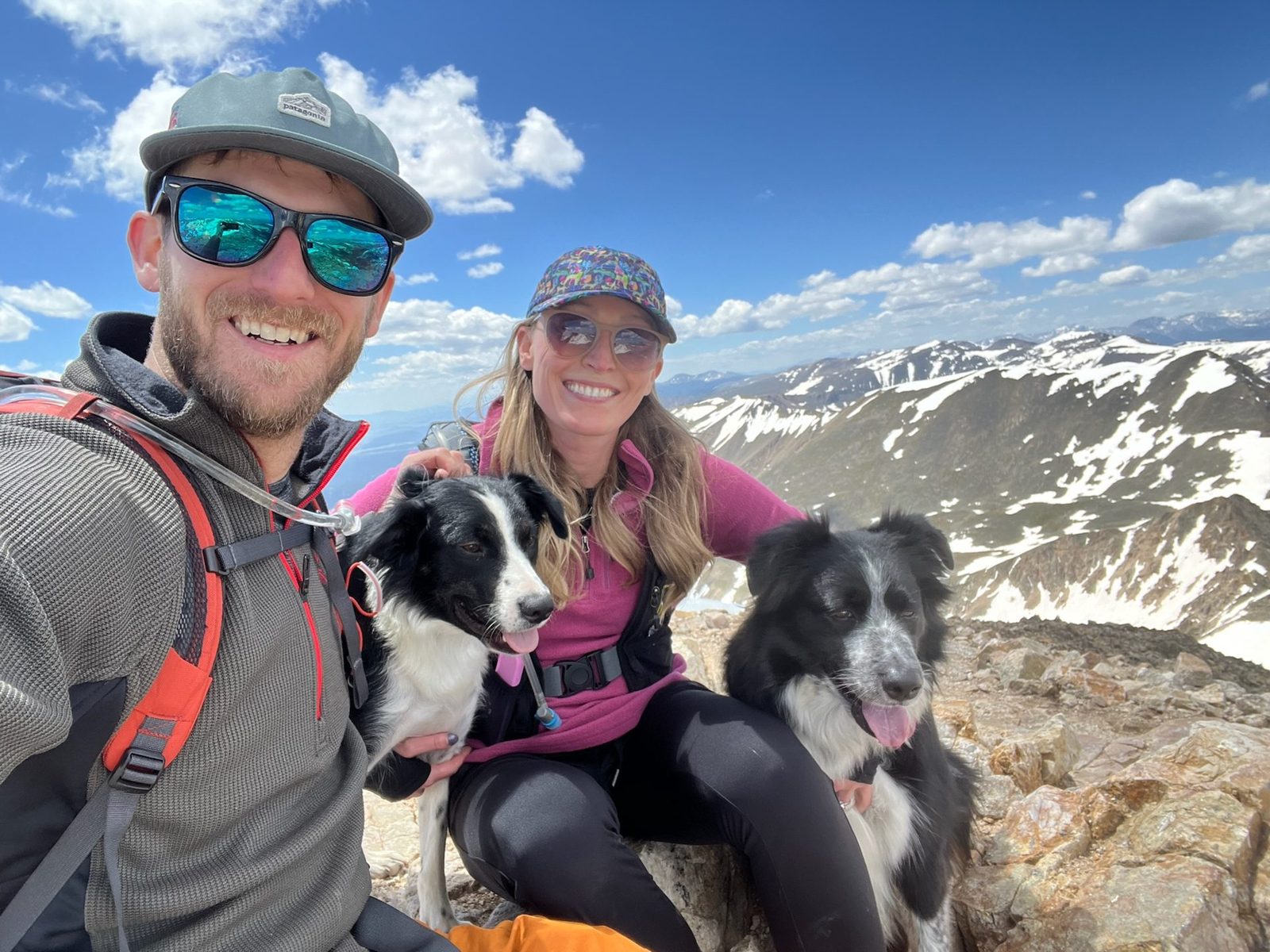
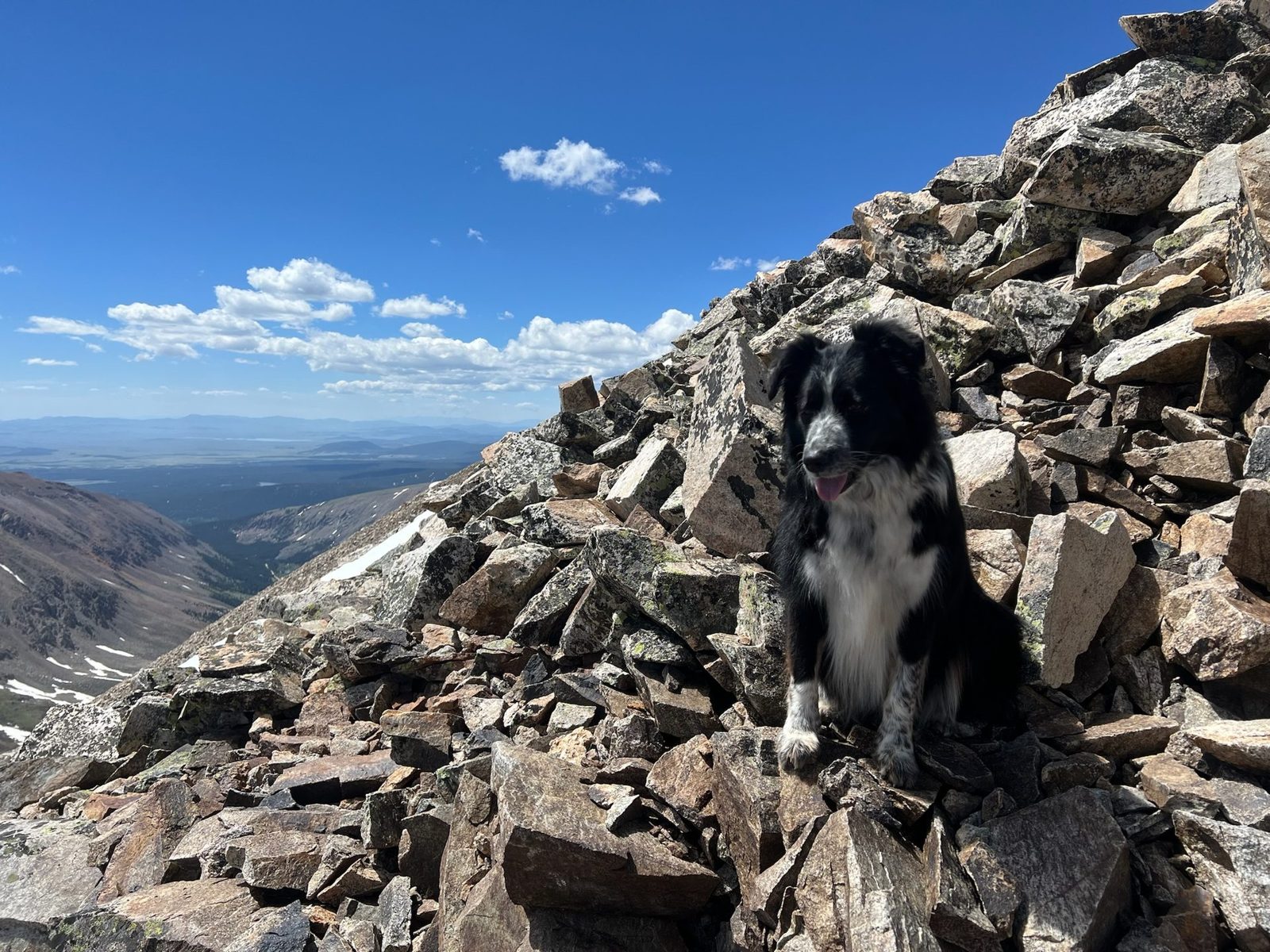
Some of my favorite days above treeline have been with my dogs. They have summited Mount Democrat with me, and there is nothing like watching a happy, dusty dog on top of a 14er. But a 14er is a big day for a dog, too. The rock is sharp, there is no shade or water above treeline, and dogs will keep following you long after they should stop.
This guide covers which peaks work best with dogs, where dogs are not allowed, what to bring and how to keep your pup safe.
The Best 14ers for Dogs
The best peaks for dogs have Class 1 or easy Class 2 trails, reasonable distance and no scrambling. All of these are on my easiest Colorado 14ers list:
| Peak | Class | Round trip | Why it works for dogs |
|---|---|---|---|
| Quandary Peak | 1 | 6.75 mi | Good trail; the summer shuttle allows dogs |
| Mount Democrat | 2 | 4 mi | Short; rocky near the top, so watch paws |
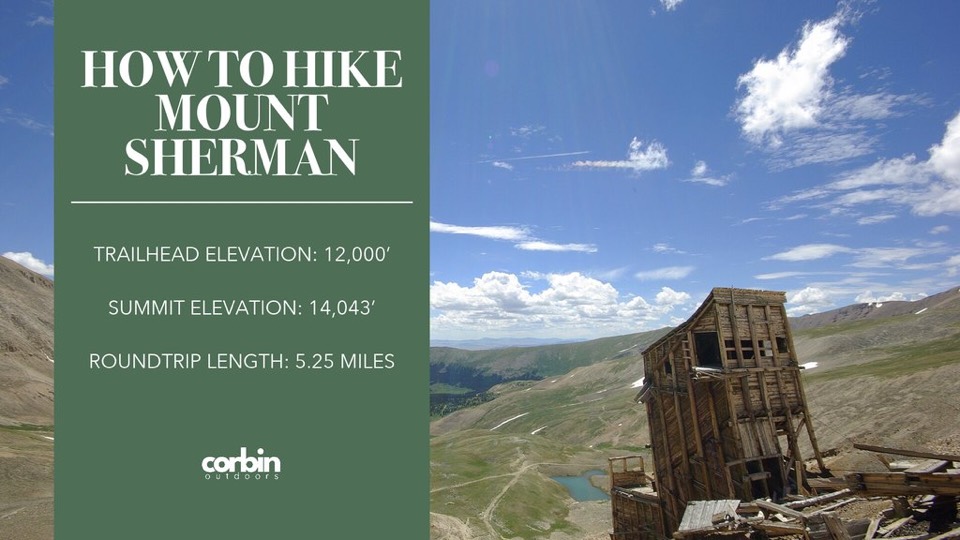
| Mount Sherman | 1 | 5.25 mi | Least climbing; loose rock on the ridge |
| Grays and Torreys | 1 | 7.5 to 8.25 mi | Smooth trail; stream crossings early on |
| Mount Bierstadt | 2 | 7.25 mi | Popular; the summit block is rocky |
Route numbers are from 14ers.com standard routes.
Where Dogs Can’t Go (or Shouldn’t)
- Rocky Mountain National Park: Dogs are not allowed on trails in the park, which rules out Longs Peak.
- Scrambles: Skip anything Class 3 or harder, like Kelso Ridge on Torreys or the Sawtooth between Bierstadt and Mount Blue Sky. Dogs can’t use their hands, and a slip can be fatal.
- Local rules: Most standard 14er routes are on national forest land where dogs are welcome, but some wilderness areas and trailheads require leashes. Check the rules for the area before you go.
Protect Their Paws
Above treeline, most 14er trails turn into talus: sharp, broken rock that can cut paw pads, especially on the way down when dogs are tired.
- Toughen pads with shorter rocky hikes first.
- Use paw wax or booties. Practice with booties at home before the big day.
- Check paws at every break, and turn around if you see limping or bleeding.
- In early summer, patches of snow and ice can ball up between toes; booties help there too.
Water, Food and Heat
There is usually no water above treeline, and dogs lose water fast at altitude.
- Carry extra water just for your dog (plan on at least a liter, more for big dogs or hot days) and a collapsible bowl.
- Offer water every 30 to 45 minutes, even if they don’t seem thirsty.
- Bring high-calorie dog snacks for the summit.
- Start early. Lower trails can get hot by late morning, and afternoon storms are common in summer.
Watch for Altitude Problems
Dogs can feel the altitude too, and they will not tell you. Turn around if your dog shows heavy panting that doesn’t settle with rest, lags far behind, lies down repeatedly, stumbles, vomits or seems disoriented. Descending is the best treatment, and if symptoms don’t improve, see a vet.
Mountain Goats and Wildlife
Mountain goats are common on peaks like Quandary, and they often come close to trails. Keep your dog leashed and under control around goats and other wildlife: a chase on steep terrain is dangerous for both animals, and goats can injure dogs.
Dog Hiking Gear Checklist
Some links in this guide are affiliate links. If you buy through them, I may earn a small commission at no extra cost to you. As an Amazon Associate I earn from qualifying purchases.
- A sturdy leash (and a harness if your dog pulls)
- Paw protection: wax or booties
- A collapsible dog bowl and extra water
- A dog jacket for short-coated dogs; summits are often cold and windy
- An LED collar for pre-dawn starts
- Waste bags (pack it out; there are no trash cans above treeline)
- A first-aid kit with booties or tape for cut pads
- Your own essentials: hiking boots, rain shell, headlamp and a satellite messenger
Training Before Your First 14er With a Dog
- Build up with progressively longer, rockier hikes at lower elevations.
- Make sure your dog is healthy and fit for long days; ask your vet if they’re young, old or a breed that struggles in heat.
- Practice reliable recall and leash manners around other hikers.
- Small dogs can be great hikers too. See my guide to the best small hiking dog breeds.
Frequently Asked Questions
Which Colorado 14ers are dog friendly?
Good first 14ers for dogs include Quandary Peak, Mount Democrat, Mount Sherman, Grays and Torreys, and Mount Bierstadt. They have Class 1 or easy Class 2 standard routes without scrambling.
Can dogs hike Longs Peak?
No. Longs Peak is in Rocky Mountain National Park, where dogs are not allowed on trails.
How do I protect my dog’s paws on a 14er?
Use paw wax or booties, practice with them before your hike, check paws at every break, and turn around if your dog starts limping. Sharp talus above treeline is the most common cause of paw injuries.
How much water does a dog need on a 14er?
Plan on at least a liter for your dog, more for large dogs or hot days, and offer water every 30 to 45 minutes. There is usually no water source above treeline.
Should my dog be on a leash on a 14er?
Keep your dog leashed around other hikers, mountain goats and wildlife, and wherever local rules require it. Some wilderness areas and trailheads have leash rules, so check before you go.